When choosing a U.S. server hosting provider for businesses or individuals, the qualifications and technical specifications that must be verified directly determine the stability, security, and compliance of the service. This article lists key inspection items from a professional perspective, providing a basis for evaluating hosting agencies. This helps reduce subsequent risks and improves the browsing experience as well as the geographical optimization results for search engines.
Qualifications and Legal Compliance
First, verify the company registration details, business license, and compliance certifications in the United States of the custody intermediary, such as tax identification numbers and business registrations. Confirm whether it complies with local laws and privacy protection requirements, and examine the clarity of contract terms regarding data sovereignty, legal jurisdiction, and compliance obligations, to avoid legal risks and cross-border disputes.
Data Center Tier and Geographic Location
The Tier level, location, and redundancy design of data centers directly affect reliability and latency. Verify whether the data center has dual power supplies, UPS, power redundancy, and multiple network connections. Choosing a data center geographically close to the target audience can reduce latency and improve SEO geographic relevance, which is beneficial for site performance and user experience.
Network connectivity and bandwidth resources
Check the type of bandwidth provided by the intermediary, as well as the peak and committed bandwidth. Also, verify whether there is multi-operator BGP direct connection and access to Internet Exchange Points (IX). Good backbone connectivity and sufficient bandwidth ensure availability and stability during traffic spikes, directly affecting page loading speeds and search engine indexing performance.
SLA and fault response capability
The Service Level Agreement (SLA) should specify availability, compensation mechanisms, and failure response times. Pay attention to the intermediary’s monitoring mechanisms, fault reporting processes, and on-site maintenance capabilities. Verify whether 7x24 operation and maintenance support as well as rapid on-site service are provided to ensure that business operations can be restored promptly in case of unexpected failures.
Safety Protection and Compliance Standards
Verify whether the data center and platform have obtained security certifications such as ISO/IEC 27001, SOC2, or similar, and understand the measures for DDoS protection, intrusion detection, host protection, and vulnerability management. Evaluate the intermediary’s capabilities in data encryption, access control, and log auditing to ensure compliance with industry regulations and customer privacy requirements.
Hardware and Virtualization Technical Specifications
Clarify the brand category of the hosting server, CPU, memory, storage type and RAID scheme, as well as whether it supports modern virtualization or containerization (such as VMware, KVM, Docker). Hardware and virtualization technologies directly determine performance resilience and future scalability, affecting long-term operational costs.
Backup strategies and disaster recovery capabilities
Evaluate the backup frequency, data retention policies, and offsite disaster recovery solutions provided by the intermediary. Pay special attention to the degree of automation in backups, Recovery Time Objectives (RTO) and Recovery Point Objectives (RPO), as well as whether snapshots, incremental backups, and regular disaster recovery drills are supported, to ensure that critical data can be restored in the shortest possible time.
IP Resources and Network Management
Verify IP address allocation, reverse lookup, blacklist history, and evidence of IP ownership. Understanding whether the intermediary can provide independent IPs, IPBGP, or an independent AS number, as well as the procedures for handling network abuse or IP blacklisting, all affect email delivery rates and network reputation.
Level of technical support and operations services
Understand the size of the intermediary’s technical team, their qualifications, and the channels for getting in touch (phone, tickets, instant messaging). Evaluate whether to provide standardized Ops services (monitoring, patch management, security inspections) and additional paid Ops solutions, clarify fault resolution timelines and responsible parties, to ensure that Ops activities are traceable and efficient.
Contract Terms and Price Transparency
The contract should specify the scope of services, billing methods, change procedures, and termination terms. Avoid vague “pay-as-you-go” or hidden fees; require written confirmation of the costs and timelines for upgrades, migrations, and service termination to ensure transparency and facilitate long-term budgeting and cost control.
Customer Cases and Trial Verifications
Refer to client cases of intermediaries, industry experience, and third-party evaluations, while seeking permission for a short-term trial or performance test. Verify network latency, IO performance, and failure recovery efficiency through real traffic or stress testing, to make data-driven decisions on whether they meet one’s business requirements.
Summary and Recommendations
When choosing US server hosting When acting as an intermediary, it is necessary to systematically verify key metrics such as “qualifications and legal compliance, data center tier, network bandwidth, SLAs, security, and backups”. It is recommended to develop a comparison list and testing plan, prioritize intermediaries that can provide quantifiable evidence in terms of compliance, network performance, and operational response, and sign clear contracts to reduce long-term operational risks.

- Latest articles
- Survival Strategies And Differentiated Service Explorations For Small And Medium-sized Vendors In The U.S. Server Hosting Industry
- How To Quickly Raise The Entry-level Salary Tier Of Hong Kong IDC Data Centers Through Certificates And Project Experience
- A Practical Guide To Comparing Malaysian Cloud Server Price Lists For Different Models And Bandwidth Options
- Where To Buy Taiwan Native IPs With Legal And Compliant Buying Guides
- Which Cloud Server In Vietnam Is A Good Case, Sharing Best Practices And Implementation Experiences Across Different Industries
- Gaming Industry Special Edition: Thailand Acceleration Server Rankings And Player Experience Report
- IP Reputation And Blacklist Risk Management When Choosing Hong Kong Multi-IP Server Hosting
- How Cross-border Developers Can Choose A German VPS Hosting Solution That Is Compliant And Supports GDPR
- In-depth Analysis Of The Pros And Cons Of Hong Kong Server CN2 And A Guide For Small And Medium-sized Enterprises To Buy
- Discussion On Multi-location Disaster Recovery Solutions For Building High-availability Platform Cloud Servers In The Philippines And Cambodia
- Popular tags
-
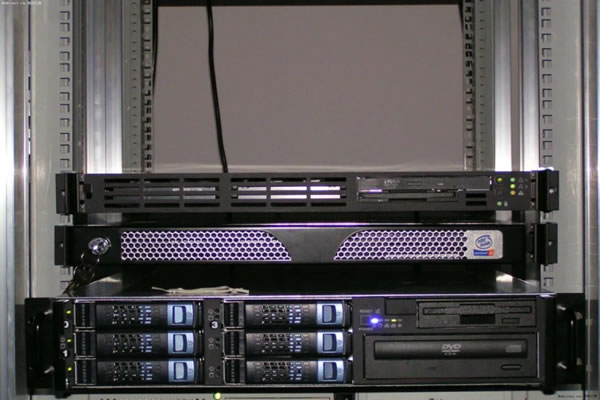
Analysis Of The Actual Defensive Performance Of U.S. High-security Servers In Dealing With Large-scale Traffic Attacks
This article analyzes the actual defensive performance of high-security servers in the United States when dealing with large-scale traffic attacks, as well as optimization suggestions, from the perspectives of architecture, bandwidth cleaning, distributed protection, and detection/response. It is applicable to SEO and GEO searches. -

How To Choose The Right Two-line Server Hosting Service In The United States
This article will provide you with a professional guide to how to choose the right two-line server hosting service in the United States, including considerations and advice, to help you make informed decisions. -
Channel Integration And Case Sharing Of Social Platforms Diverting Traffic To American Dress Group Online Shopping Sites
this article introduces channel integration strategies and practical cases for diverting traffic from social platforms to american dress group online shopping sites. it covers collaborative methods and implementation suggestions for facebook groups, instagram, tiktok, pinterest, reddit and other platforms. it is suitable for reference by e-commerce teams who want to improve conversion in the american market.